If you’re new to mahjong, one of the first things you’ll discover is that there isn’t just one way to play.
Two of the most common versions are Chinese mahjong and American mahjong. While they share the same origins and use similar tiles, they are actually quite different games in how they’re played, structured, and experienced.
Understanding the differences can help you choose where to start—and feel more confident at the table.
Same Roots, Different Paths
Mahjong originated in China centuries ago. As the game spread around the world, it evolved in different ways.
- Chinese mahjong reflects the traditional game, with regional variations
- American mahjong developed in the early 20th century and was later standardized by the National Mah Jongg League (NMJL)
Think of them as two versions of the same language—related, but spoken differently.
The Biggest Difference: The Card
American Mahjong
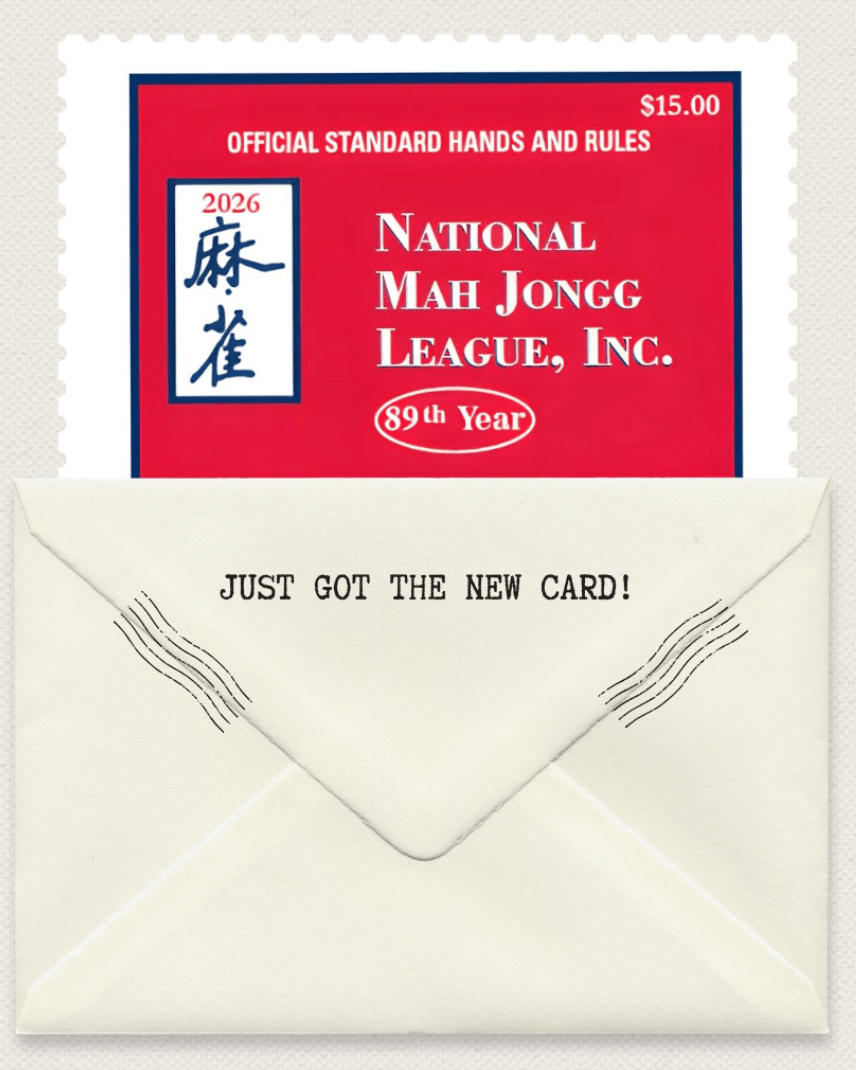
American mahjong is built around the NMJL card, which:
- Lists all valid hands
- Changes every year
- Standardizes play across groups
Players choose a hand from the card and work toward it during the game.
Chinese Mahjong
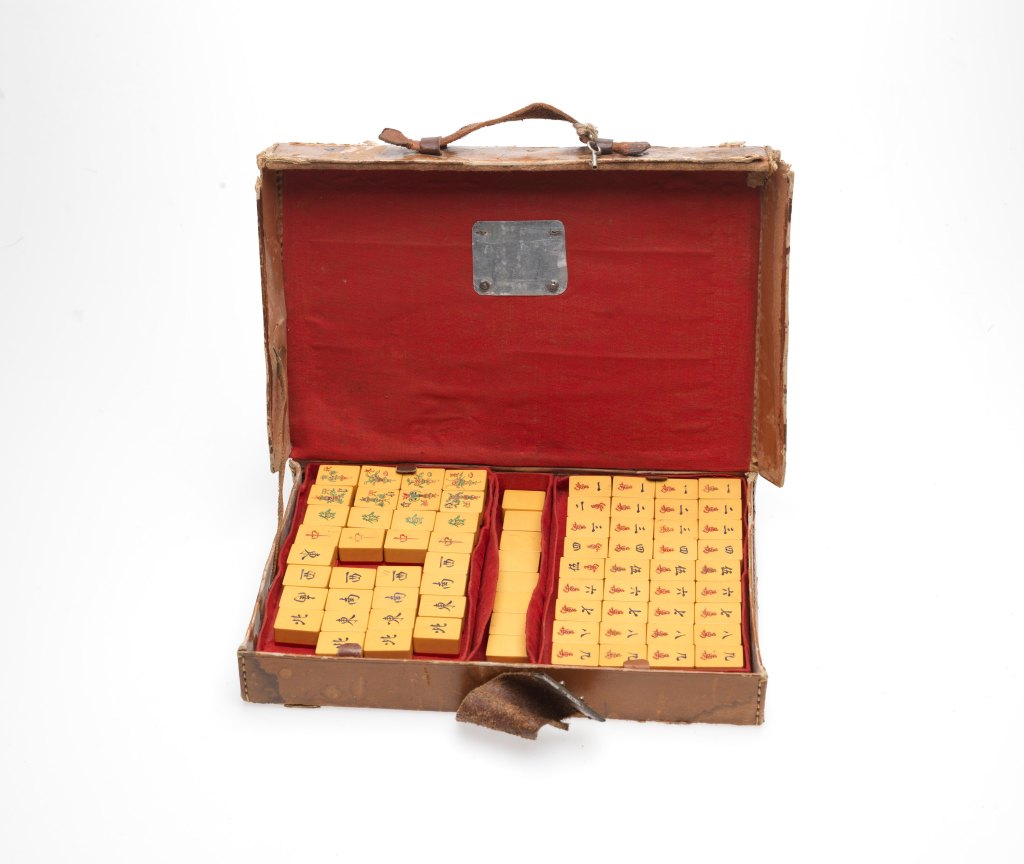
Chinese mahjong does not use a card.
Instead:
- Players build hands organically
- Winning combinations are based on patterns and scoring rules
- Strategy evolves as the game unfolds
This makes Chinese mahjong more flexible—and American mahjong more structured.
Jokers: Yes or No?
American Mahjong
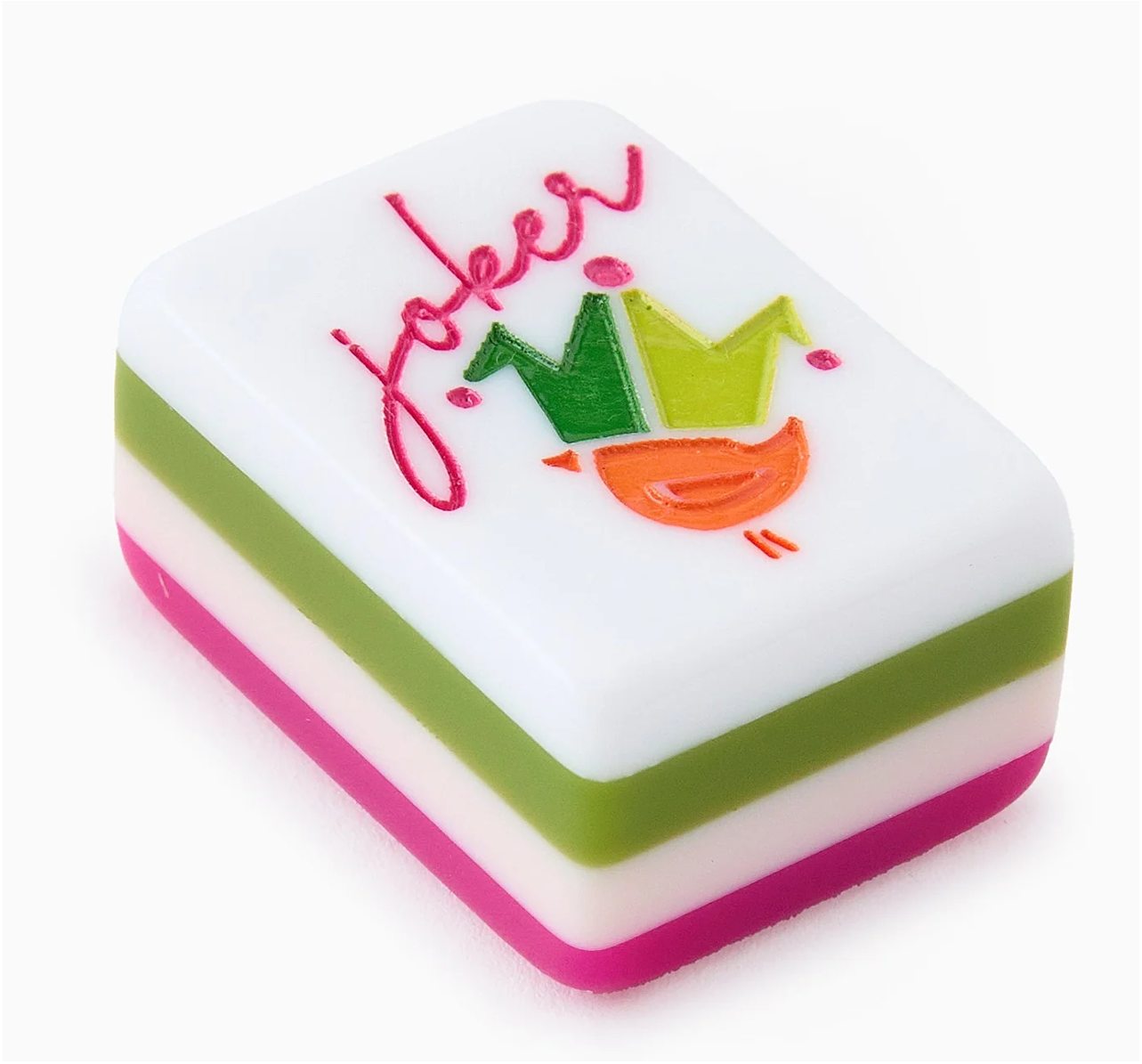
- Uses jokers
- Jokers can substitute for tiles in sets
- Adds flexibility and strategy
Chinese Mahjong
- No jokers
- All tiles must be drawn naturally
- Strategy relies more on probability
Jokers are one of the most distinctive features of American mahjong.
The Charleston
American Mahjong
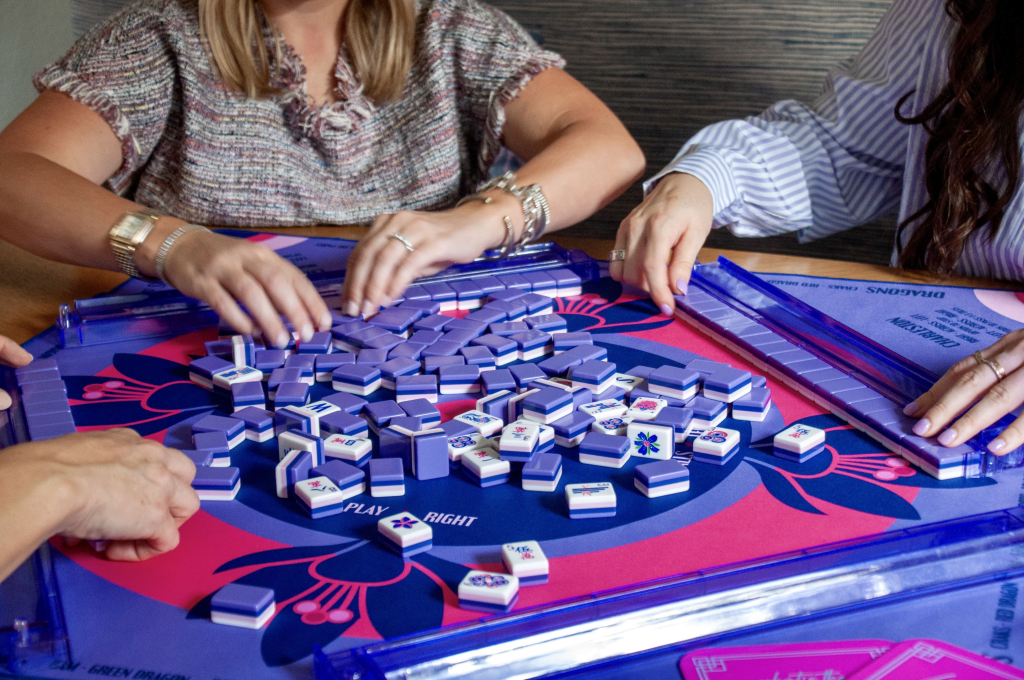
Includes the Charleston, a pre-game tile exchange where players pass tiles to improve their hands.
Chinese Mahjong
No tile passing phase—play begins immediately after the deal.
The Charleston adds both strategy and social interaction to the American game.
Structure vs. Flexibility
American Mahjong
- Fixed hand patterns (from the card)
- More structured gameplay
- Emphasis on planning and pattern recognition
Chinese Mahjong
- Flexible hand-building
- Greater variation in scoring
- Emphasis on adaptability and timing
Pace and Style of Play
American Mahjong
- Typically slower and more deliberate
- Highly social
- Often played in regular weekly games
Chinese Mahjong
- Often faster-paced
- Can be more competitive
- Frequently played in family or community settings
Which Should You Learn?
If you’re in the United States, American mahjong is usually the best place to start. It’s widely played, standardized, and easier to learn in a group setting.
If you’re interested in exploring the game more deeply—or playing internationally—Chinese mahjong offers a rich and flexible experience.
Many players eventually learn both.
One Game, Many Ways to Play
At their core, both versions of mahjong are about:
- Strategy
- Pattern recognition
- And connection around the table
The differences simply reflect how the game has evolved in different cultures.
No matter which version you play, the goal is the same: enjoy the game, learn as you go, and keep coming back for more.
Just one more tile.

 Where Friends, Tiles & Traditions Meet
Leave a comment