Mahjong can look intimidating from the outside. The tiles. The racks. The card. The unfamiliar terms. It’s easy to think this is a game you’re supposed to already know—or never quite understand.
The truth? Mahjong is very learnable, especially when it’s taught step by step. You don’t need to be “good with games,” and you don’t need to memorize everything at once. You just need the right approach.
Here’s how to get started—and actually enjoy the process.
Step 1: Understand Which Mahjong You’re Learning
Before anything else, know that there are different versions of mahjong. In the United States, most social play follows American Mahjong, which uses:
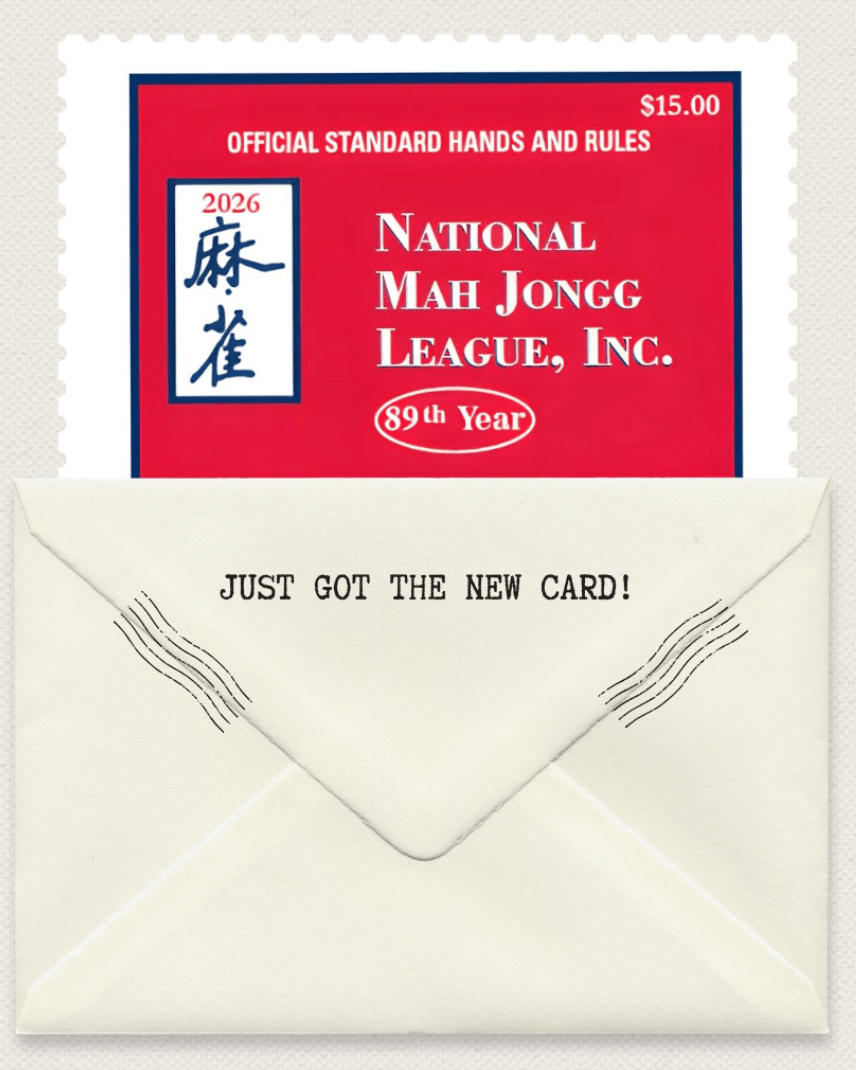
- The National Mah Jongg League (NMJL) card
- Jokers
- The Charleston
- Fixed hand patterns
If you’re learning in the U.S., start with American mahjong. Trying to mix versions only adds confusion.
Step 2: Get Familiar with the Tiles (Not All at Once)
Mahjong tiles fall into a few basic categories:
- Suits (Dots, Bams, Craks)
- Winds (North, East, West, South)
- Dragons (Red, Green, White or “Soap”)
- Flowers
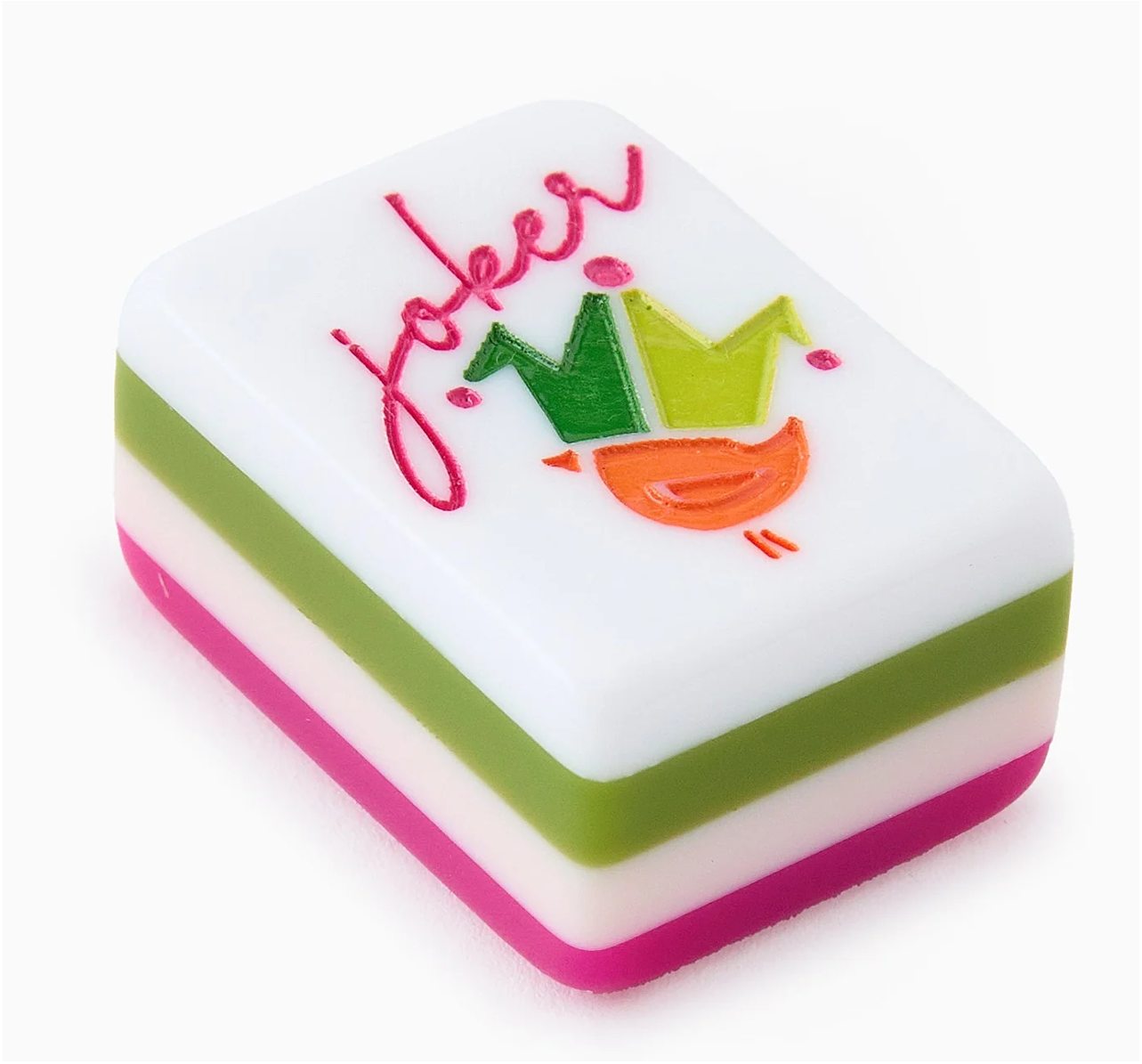
- Jokers
You don’t need to memorize everything immediately. Start by recognizing the suits and learning how they appear on the card. The rest will come with repetition.
Step 3: Learn What the Card Is—and What It Isn’t
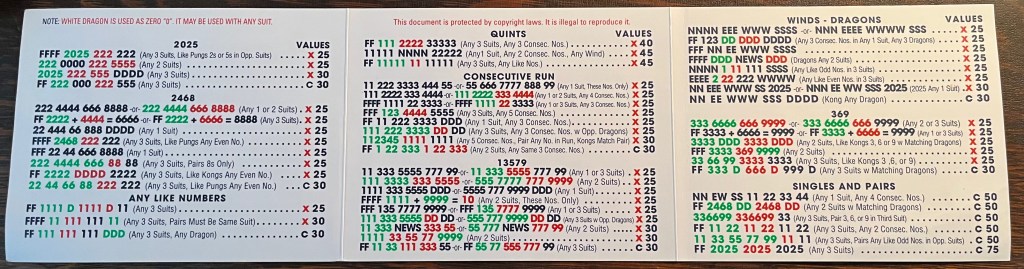
The NMJL card is the heart of American mahjong. It:
- Lists every valid hand for the year
- Changes annually
- Tells you exactly what you need to win
The key is this: you don’t need to memorize the card. Instead, learn how to read it. Understanding how hands are grouped and written is far more important than knowing every pattern.
Step 4: Play a Hand Before You Learn Everything
One of the biggest mistakes beginners make is waiting until they “know enough” to play.
You learn mahjong by:
- Drawing
- Discarding
- Making mistakes
- Seeing patterns repeat
A guided practice game—even a slow one—is worth more than hours of explanation.
Step 5: Focus on One Hand at a Time
At the beginning of each game:
- Choose one hand from the card
- Build toward it
- Ignore everything else
Trying to keep multiple hands in mind is overwhelming at first. Commitment simplifies the game.
Step 6: Learn the Rhythm of the Game
Mahjong has a rhythm:
- Draw
- Evaluate
- Discard
Once you get comfortable with this flow, the game starts to feel natural. Speed comes later. Accuracy comes first.
Step 7: Don’t Fear the Charleston or Jokers
These are often the most intimidating parts—but they’re also what make American mahjong fun.
- The Charleston is a structured tile exchange that helps you build your hand
- Jokers add flexibility and excitement
You don’t need to master them immediately. Use them. Watch how others use them. Ask questions.
Step 8: Play with Supportive People
Who you learn with matters.
The best learning environments:
- Encourage questions
- Allow slow play
- Explain without judgment
- Remember what it felt like to be new
If you feel rushed or embarrassed, that’s not the game—it’s the table.
Step 9: Take a Lesson (Seriously)
A certified instructor can:
- Explain the game clearly
- Prevent bad habits
- Speed up your learning curve
- Make the game fun from the start
Even one lesson can make everything click.
Step 10: Practice
Mahjong is not a game you master in a weekend. It’s a game you grow into.
If you can’t find a group to play with:
- Play solo mahjong
- Play mahjong online
- Watch videos on Instagram or YouTube
That’s part of the process.
Learning Mahjong Is a Journey
Mahjong rewards curiosity, patience, and practice. The more you play, the more familiar the tiles become—and one day, you’ll realize you’re no longer overwhelmed. You’re just playing.
And enjoying it.
And maybe staying for… just one more tile.



 Where Friends, Tiles & Traditions Meet
Leave a comment