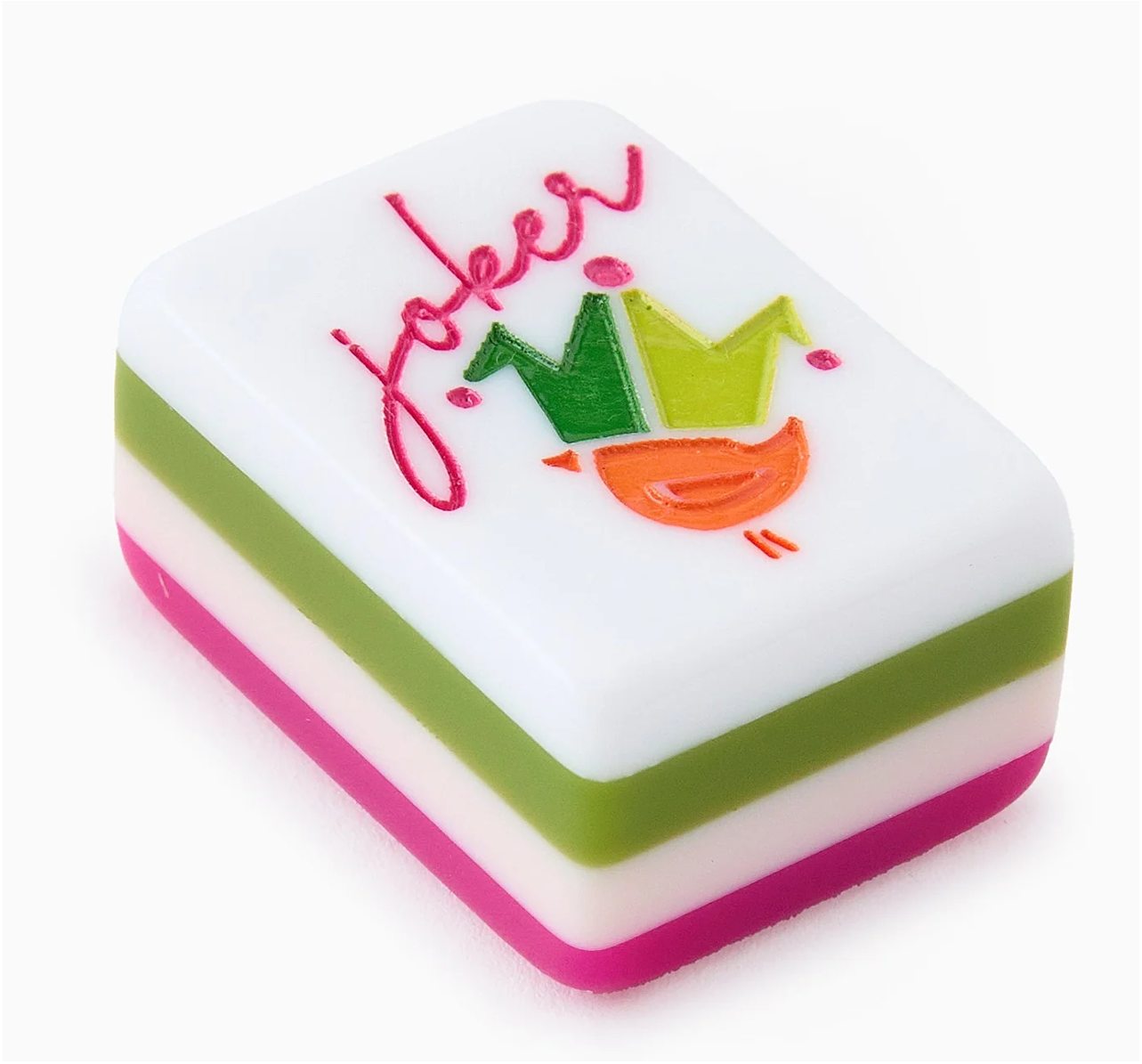
One of the first surprises new players encounter when learning American mahjong is the joker. Colorful, flexible, and sometimes controversial, jokers are a defining feature of the American game—and a source of endless strategy and debate at the table.
But jokers weren’t part of traditional Chinese mahjong. So why did American mahjong adopt them? The answer lies in how the game evolved in the United States—and what American players wanted from it.
Jokers Are an American Innovation
When mahjong arrived in the U.S. in the early 20th century, players experimented freely with rules and formats. By the time the National Mah Jongg League (NMJL) standardized American mahjong in the 1930s, jokers had emerged as a popular addition.
Rather than undermining the game, jokers solved a problem: American mahjong was becoming increasingly structured. Players were choosing specific hands to build, often from a fixed list. Jokers added flexibility to an otherwise rigid system.
What Jokers Do in American Mahjong
In American mahjong, jokers:
- May substitute for most tiles in sets
- Cannot be used as singles or pairs
- Can be exchanged when the tiles are exposed with jokers
- Add both opportunity and risk
They allow players to stay competitive even when the tiles don’t fall perfectly—a hallmark of American play.
Why Jokers Fit the American Game
1. They Balance Structure with Chance
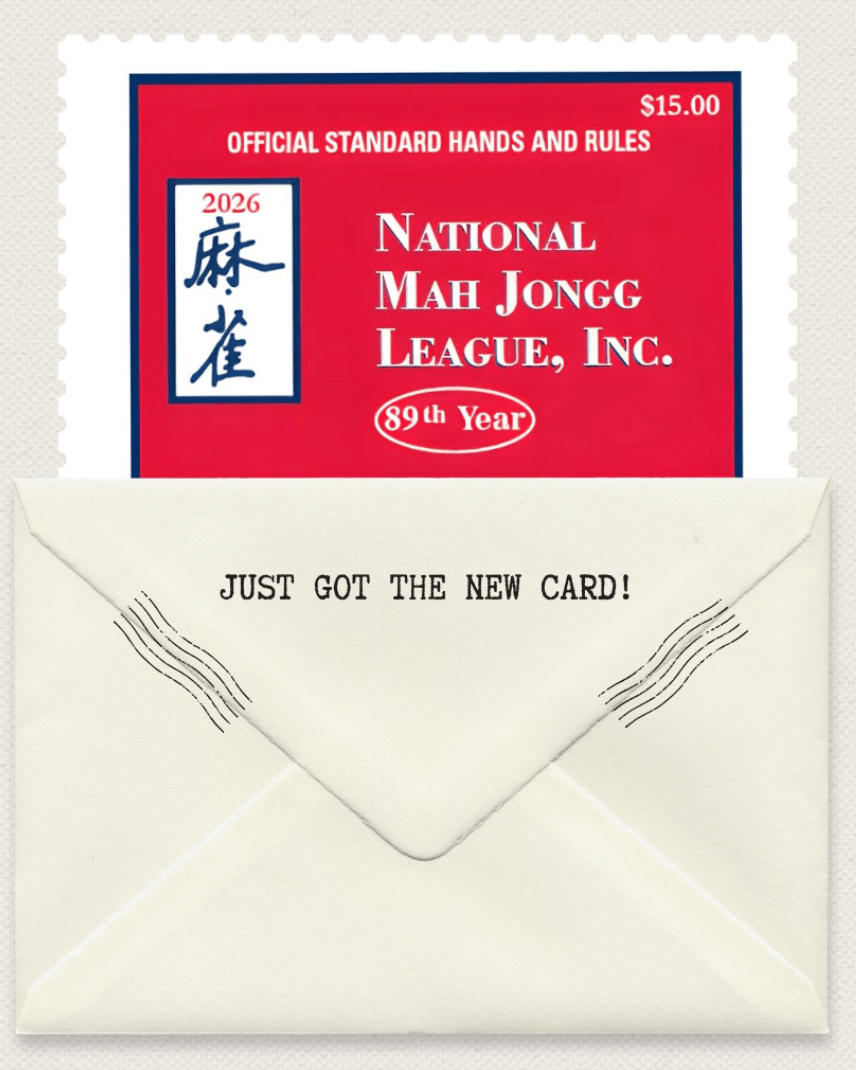
American mahjong revolves around the annual NMJL card. Players commit early to a specific hand, sometimes before the tiles cooperate.
Jokers provide breathing room. They make it possible to pivot, recover, and stay engaged even when luck isn’t on your side.
2. They Encourage Strategic Thinking
While jokers may look like a shortcut, using them well requires strategy:
- When to reveal a joker
- Whether to hold or expose
- How to protect against exchanges
Experienced players know that jokers are powerful—but they come with consequences.
3. They Keep the Game Social
Joker exchanges are one of the most interactive moments in American mahjong. They spark conversation, laughter, and dramatic reveals.
These moments reinforce what American mahjong does best: turning a game into a shared social experience.
4. They Make the Game More Inclusive
For beginners, jokers reduce frustration. They soften the learning curve and help newer players stay competitive while mastering the rules and the card.
This accessibility has played a major role in American mahjong’s longevity.
Why Other Versions Don’t Use Jokers
In most Chinese and international versions of mahjong:
- Hands are built organically
- Scoring is more complex
- Flexibility already exists within the rules
Jokers simply aren’t necessary. American mahjong’s reliance on predefined hands made them useful—and eventually essential.
The Debate: Love Them or Hate Them
Ask a group of players about jokers and you’ll get strong opinions. Some see them as a clever innovation. Others view them as a crutch.
But love them or not, jokers are now inseparable from American mahjong. They reflect the game’s American identity—structured, social, and just a little playful.
A Small Tile with a Big Impact
Jokers may be small, but they changed the way American mahjong is played. They introduced flexibility, interaction, and strategy that continue to shape the game today.
And once you’ve experienced the thrill of drawing the natural tile that lets you call back a joker, you understand why they’re here to stay.
Just one more joker.
Just one more tile.

 Where Friends, Tiles & Traditions Meet
Leave a comment