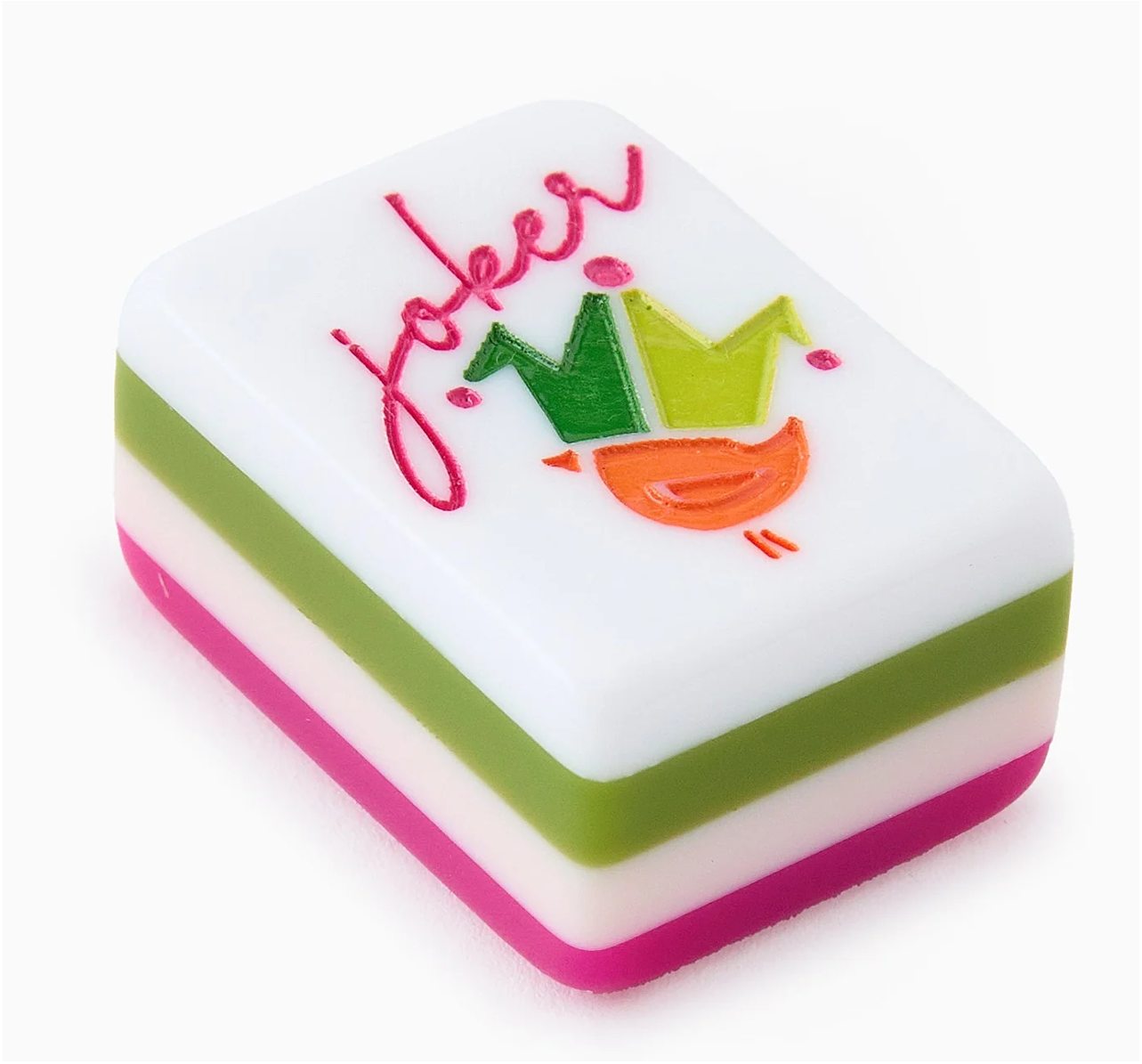
Few games are as instantly recognizable—or as frequently mispronounced—as mahjong. But where did the word mahjong actually come from? And what does it mean?
Like the game itself, the name mahjong has a layered history shaped by language, culture, and a bit of Western interpretation.
The Chinese Origins of the Name
The word mahjong comes from the Chinese term 麻將 (traditional characters), pronounced má jiàng in Mandarin.
- 麻 (má) can mean hemp, numb, or rough
- 將 (jiàng) can mean general, leader, or piece
Together, the characters don’t translate cleanly into a single English phrase. Instead, the term refers more broadly to the game pieces themselves and to a familiar category of Chinese tabletop games involving tiles.
The “Sparrow” Connection
One of the most charming theories behind the name mahjong involves sparrows.
In some early Chinese dialects, má jiàng sounded similar to words associated with sparrows, and many players noted that the clacking sound of tiles resembled the chatter of birds. In fact, some early Western translations referred to the game as “the sparrow game.”
This imagery stuck. The lively noise of tiles clicking across the table still feels a bit like sparrows talking over one another—especially during an enthusiastic game.
From Má Jiàng to Mahjong
When the game traveled from China to the West in the early 20th century, its name came along for the journey—but not without changes.
English speakers struggled with Chinese pronunciation, and early promoters simplified the spelling and sound to mahjong. The hyphenated form “mah-jongg” also appeared, especially in American usage, to clarify pronunciation.
Today, all of the following are considered acceptable:
- Mahjong
- Mah Jongg
- Mah-jongg
In American mahjong circles—particularly those aligned with the National Mah Jongg League—you’ll often see Mah Jongg with two g’s at the end. Internationally, mahjong is more common.
What the Name Doesn’t Mean
Despite popular myths, mahjong does not literally mean “sparrow” in Chinese, nor does it directly translate to “tile game” or “four winds.” The name is more cultural than literal—rooted in sound, familiarity, and tradition rather than strict definition.
This ambiguity is part of what makes the name enduring. Like the game itself, mahjong resists simple explanation.
A Name That Traveled Well
As mahjong spread around the world, its name stayed remarkably consistent—even as the rules changed. Whether you’re playing:
- Chinese mahjong
- American mahjong
- Hong Kong, Japanese, or European styles
…the name mahjong still signals a shared origin, even when the gameplay differs.
It’s a reminder that while versions of the game have evolved, they remain connected by history, sound, and tradition.
Why the Name Still Fits
Mahjong is a game of rhythm, repetition, and conversation—both spoken and unspoken. The name itself, with its soft consonants and flowing sound, feels like part of the experience.
It’s a word that carries:
- History
- Movement
- Community
- And just a hint of mystery
Much like the game, once you learn it, you never quite forget it.
One Name, Many Stories
So where did mahjong get its name? From language, sound, culture, and the way tiles feel and sound in motion. It’s a name shaped by tradition—and polished by time.
And no matter how you spell it or pronounce it, the meaning is always the same:
A game worth playing.
Again and again.
Just one more tile.



 Where Friends, Tiles & Traditions Meet
Leave a comment