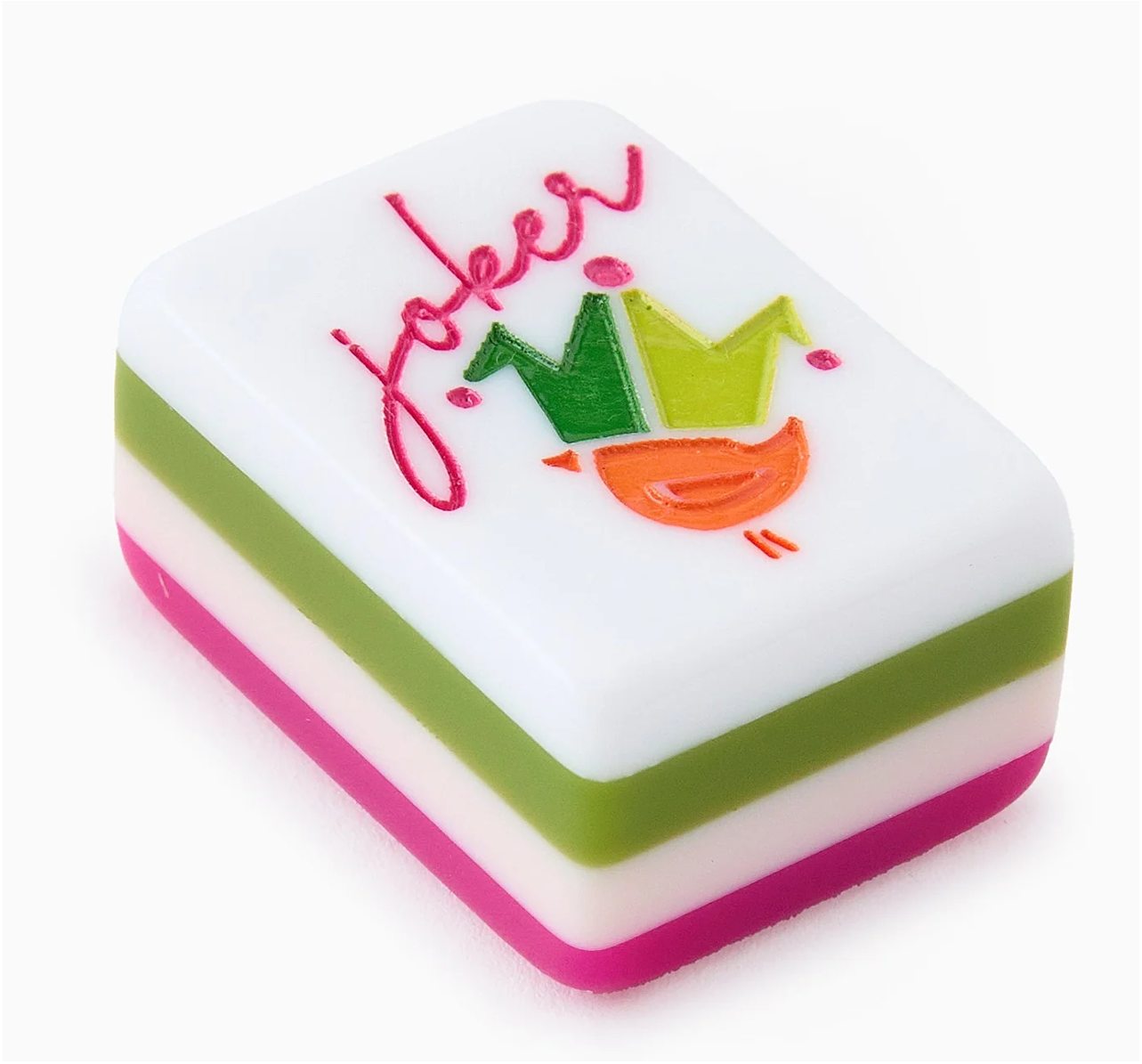
Mahjong may feel timeless when you’re seated at the table, tiles neatly stacked and card in hand—but American mahjong has a surprisingly modern and distinctly American story. What began as an imported curiosity in the early 20th century evolved into a structured, social, and uniquely American pastime that continues to thrive today.
Understanding the history of American mahjong not only deepens your appreciation for the game—it also explains why the version played in the United States looks and feels so different from mahjong played elsewhere in the world.
Mahjong Arrives in America
Mahjong originated in China centuries ago, but it didn’t reach American shores until the early 1920s. The game arrived during a period of intense fascination with East Asian culture, fueled by increased global trade and travel after World War I.
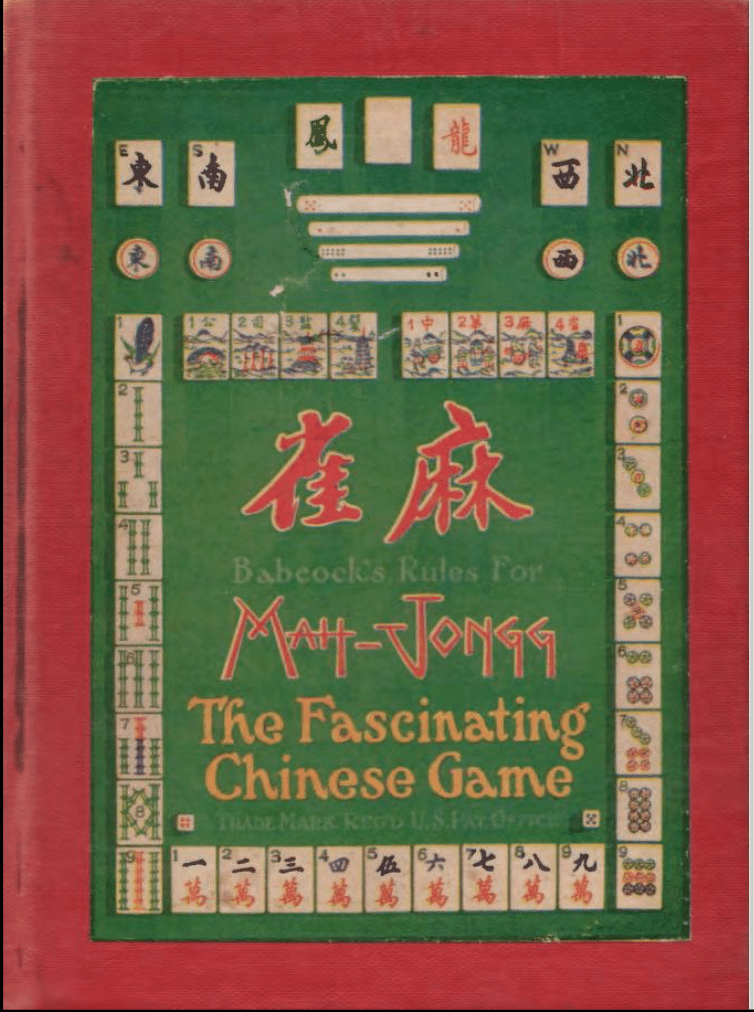
American entrepreneurs quickly recognized mahjong’s appeal. The most influential among them was Joseph Park Babcock, who encountered the game while working in China. In 1920, Babcock introduced mahjong to the United States, publishing one of the first English-language rulebooks and marketing mahjong sets as a fashionable new pastime.
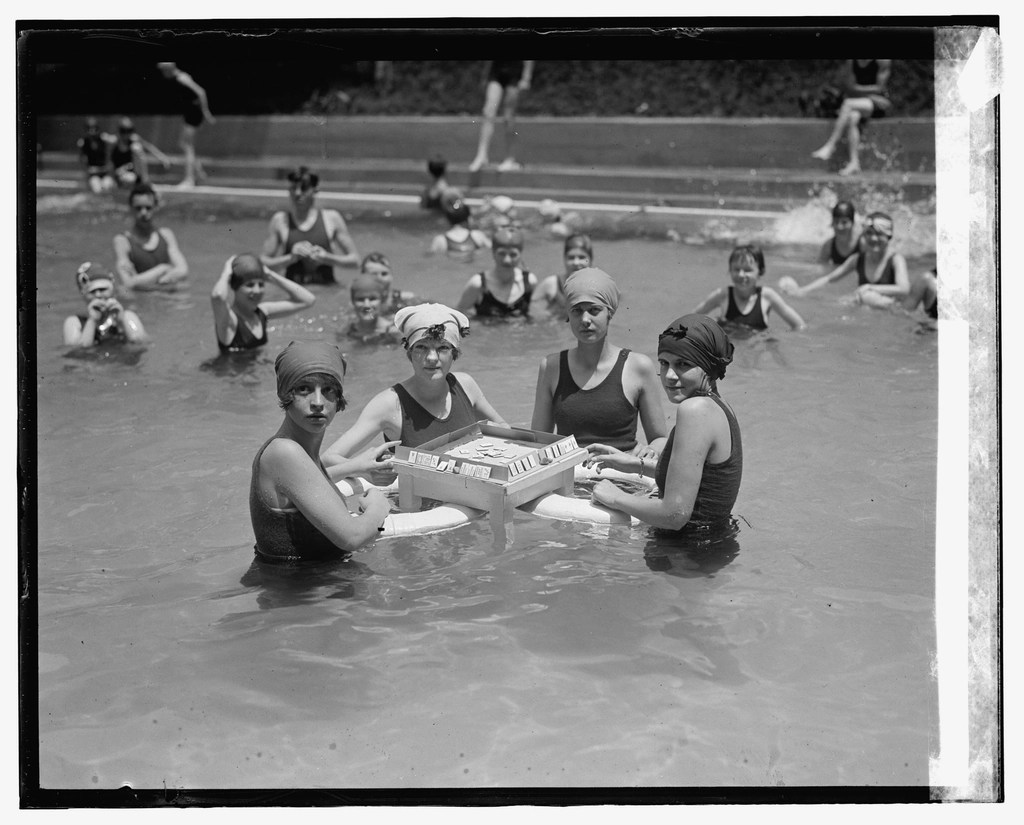
Mahjong caught on almost immediately—particularly among women. By the mid-1920s, mahjong had become a social phenomenon, played in homes, clubs, and hotels across the country.
The Mahjong Craze of the 1920s
During the Roaring Twenties, mahjong was everywhere. Department stores sold elaborate tile sets, magazines published strategy articles, and society pages reported on mahjong parties and tournaments.
However, early American mahjong lacked standardization. Different rule sets circulated widely, leading to confusion and disagreements at the table. What one group considered a winning hand might be invalid elsewhere.
It soon became clear that if mahjong was going to survive beyond a passing craze, it needed structure.
The Birth of the National Mah Jongg League
In 1937, a group of women in New York City founded the National Mah Jongg League (NMJL). Their goal was simple but revolutionary: standardize the rules of American mahjong.
The NMJL introduced several features that now define American mahjong:
- A standardized rule set
- A printed annual card listing all valid hands
- Consistent terminology and scoring
- An emphasis on fairness and clarity
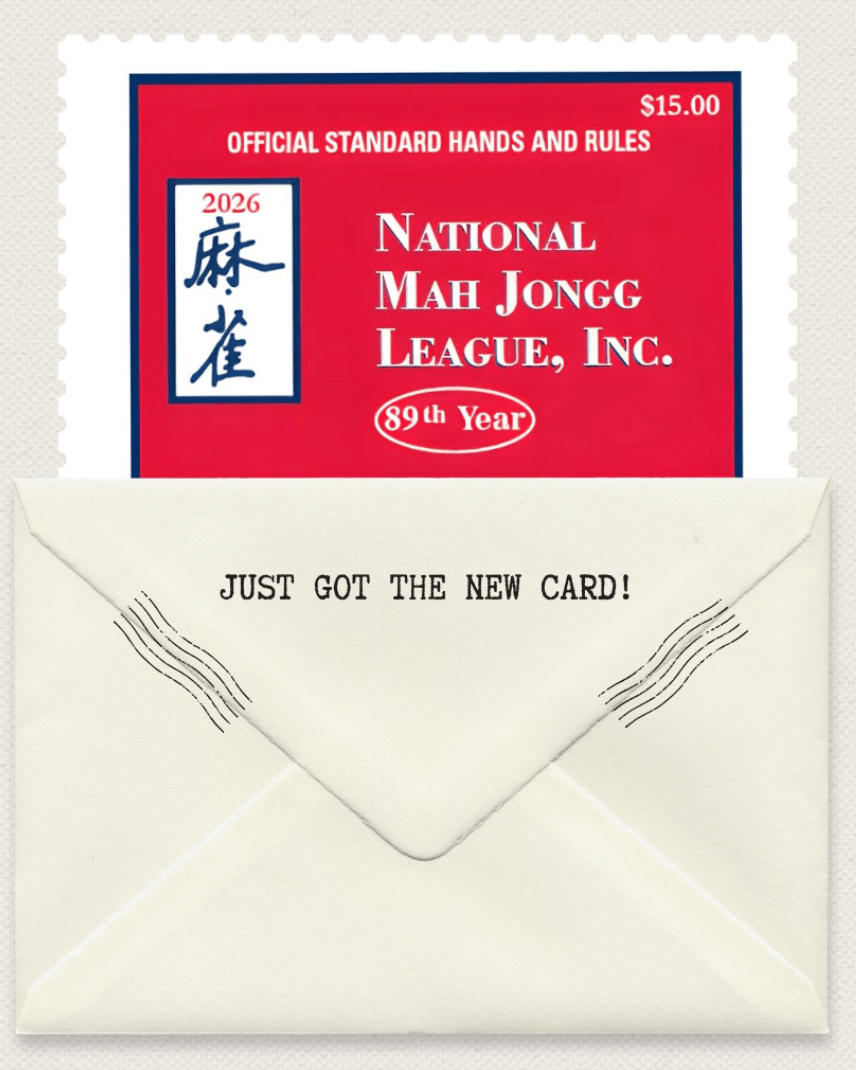
The League’s work transformed mahjong from a fad into a lasting institution. Even today, most American mahjong games follow NMJL rules and rely on the League’s annual card.
How American Mahjong Became Its Own Game
Over time, American mahjong diverged significantly from its Chinese roots. While the core elements—tiles, drawing, discarding, and forming hands—remain, American mahjong developed unique characteristics, including:
- The Charleston, a pre-game tile exchange
- Jokers, which do not exist in most other versions
- Annual hand changes, keeping the game fresh and challenging
- A stronger emphasis on memorization and pattern recognition
These differences reflect American preferences for structure, novelty, and social interaction. American mahjong is not just about strategy—it’s about adaptability and shared experience.
Mahjong as a Social Tradition
Throughout the mid-20th century, mahjong became deeply embedded in American social life, especially among women. It was played at kitchen tables, community centers, and country clubs. For many, mahjong became a weekly ritual—a reason to gather, connect, and unwind.
Importantly, mahjong also provided a space for community building. During periods when women had fewer public leadership opportunities, mahjong tables became places of organization, friendship, and mutual support.
American Mahjong Today
Far from fading away, American mahjong is experiencing a resurgence. New players are discovering the game through lessons, social media, clubs, and instructors who are demystifying the rules and making the game more accessible.
Today’s American mahjong scene blends tradition with modern energy:
- Multi-generational tables
- Stylish tile sets and accessories
- Online learning and virtual play
- A renewed appreciation for the game’s history and structure
The annual NMJL card remains at the heart of the game, reminding players that American mahjong is both a living tradition and a constantly evolving challenge.
Why the History Matters
Knowing the history of American mahjong helps explain why the game works the way it does—and why it continues to endure. It’s a game shaped by adaptation, community, and the desire to play together under shared rules.
Every time you say “mahjong,” you’re participating in a tradition nearly a century old—one that has been passed down, reinvented, and loved by generations of players.
And once you understand that history, it’s even harder to resist playing… just one more tile.


 Where Friends, Tiles & Traditions Meet
Leave a comment